
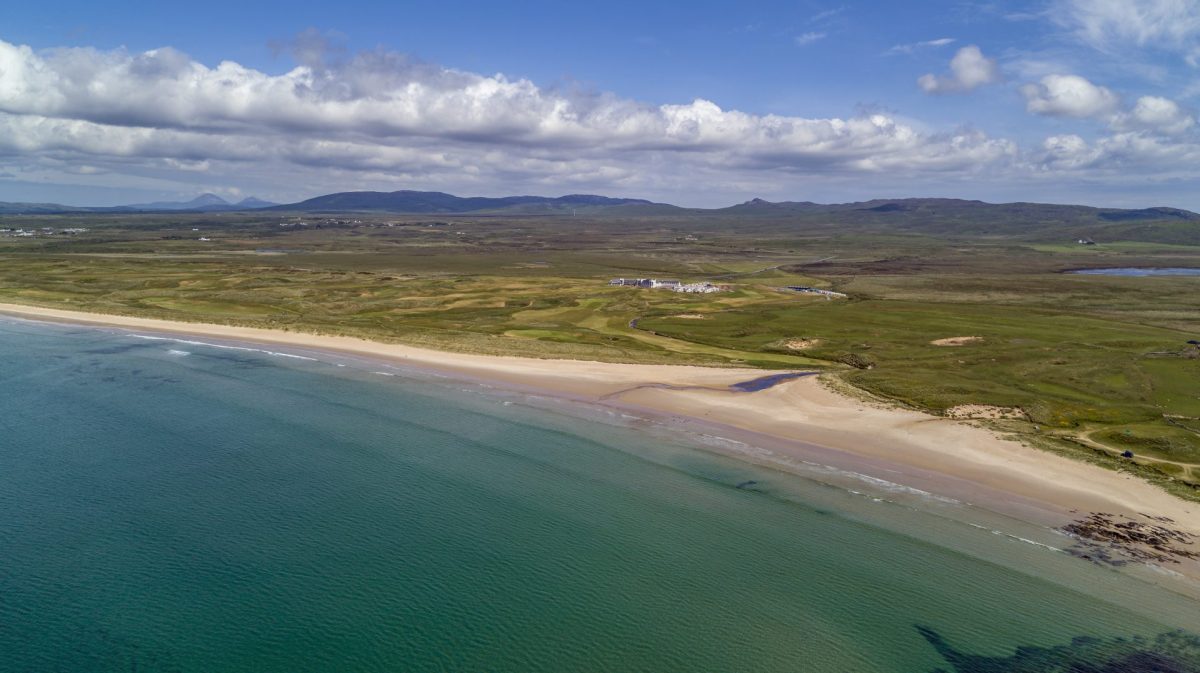
We get a lot of questions about visiting the islands, from how to reach us to what to wear, how to pronounce the names to what souvenirs to take home. So we thought we’d put some of your most frequently asked questions all in one place to help you plan your visit.
First of all Islay and Jura are two very distinct islands, each with its own unique landscape and allure. They are very close together, and a small ferry – big enough to take passengers and vehicles – runs many times a day between the islands across the sound of Jura from Port Askaig on Islay to Feolin on Jura. But you don’t have to come to Islay first to get to Jura, there are, in the summer, direct passenger boats from the mainland such as the Kintyre Express catamaran, or you may be able to charter a boat from one of the boat tour companies.
Our two islands are linked in more ways than just the ferry though, we share governance from the local council to our members of parliament, the teenagers share a high school on Islay, we share a sub-sea cable bringing our electricity! But most of all we share a love of welcoming visitors and helping them to explore the breath-taking beauty, the bounty, the beaches and the bays of our islands. In this blog we concentrate on Islay but include some Jura information and links to Jura too.

Where is Islay?
Islay is the most southern of the Hebridean islands. It is off the West Coast of Scotland in between the Kintyre Peninsula and Northern Ireland. By boat it is around 37km (23 miles) from Islay to Kennacraig on the Kintyre coast, and about 50Km (31 miles) from Islay to Ballycastle on the coast of Northern Ireland.
How do I get there?
There are various options for getting here, with our without your own transport. It takes about two to three hours to drive from Glasgow to the ferry terminal for the Islay ferry (longer by coach but there are regular coaches from Buchannan bus station to the ferry terminal). There are several ferries a day between Islay and the mainland. Ferries run from Kennacraig on the Kintyre peninsular (the west coast of mainland Scotland) and Islay (either to Port Ellen or Port Askaig). The ferries take vehicles and foot passengers, they have cafes, a restaurant and plenty of comfortable seating areas and space to leave your luggage. It’s a great way to travel and to arrive. The crossing is about two hours and you might even spot dolphin en route. Flying from Glasgow airport to Islay airport takes about half an hour and the planes can carry over 40 passengers. On a clear day the views are spectacular and you will be treated to an aerial view of both Islay and Jura before landing right next to the fabulous long sandy beach at Glenegedale (between Bowmore and Port Ellen). You can also get ferries from Gourock and Ardrossan, which means make your way over to us that way without driving all round from Glasgow – but, you would miss the spectacular scenery and stopping places along the way such as the Rest and Be Thankful pass and Invararay. Or you can get a ferry from Oban via Colonsary twice a week. Whatever route you choose plan ahead to book your space, especially if you are bringing a vehicle. And be warned there is not much in the way of amenities at the ports – a loo, a ticket office and a vending machine for a drink or snack at most.

How do you pronounce Islay?
EYE-la. The name derives from Scottish Gaelic and the word Ili, which means swelling island. It’s also a name, given to both girls and boys as a first name too.
How big is Islay?
It’s 620 square kilometres (about 240 square miles) – roughly 20 miles wide and 25 miles from top to bottom. It’s the fifth-largest Scottish island and has a full-time population of around 3,000 people with many more staying here as visitors.

What is Islay famous for?
It has to be whisky, with 10 distilleries operating and another one about to open. In particular its single malt whiskies, and especially it’s peaty-tasting, or smoky expressions – but not all its whiskies are peaty. But it’s also famous for it’s wildlife. There are rare birds which make it an ornithologists dream; including our famous barnacle geese who overwinter here and the chough, which have been helped and encouraged to survive and thrive. But there’s otters and seals, dolphins and gannets, eagles and buzzards, deer of all kinds, guillemots, snipe, curlew, oystercatchers and so much more. Plus there’s the glorious beaches, the thousands of years of history, the warm welcome and the famous Islay wave greeting (expect every vehicle driver to give you a wave of acknowledgement on the roads)
What languages are spoken
You’ll hear many accents on Islay – Scottish (English with a Scottish accent) being the most common but Gaelic is taught and spoken here by some people and you’ll see many signs in both Scottish and Gaelic, including the street signs. In high summer though you could hear languages from all over the world as Islay attracts a truly global crowd.

What money do I need?
Just about everywhere will take payment by card or cash, there are banks, ATM machines and you can get cash out at Post Offices. The currency is Scottish and, although you can legally spend Scottish notes in the rest of Britain, you may find some stores outside Scotland grumpily accept them, or even refuse to take them, but you can always swap them for English ones at the banks. Don’t expect Islay to be cheap; goods and services have to travel here from the mainland just like you do and shipping things to the islands does cost us all extra. But you can expect quality food and service and a very warm welcome.

What’s the weather like?
If you don’t like the weather, wait 10 minutes! We’re out in the Atlantic and that means changeable weather, with fronts constantly pushing past us, round us, over us and through us. It might be raining in the morning, clear blue skies by lunchtime and blowing a hoolie (that’s a gale in Scottish) by night. Just keep an eye on the forecast, come prepared and don’t worry, there’s no such thing as bad weather, just the wrong clothes! The Gulf Stream does mean Islay does NOT get extremely cold, it rarely snows except on the biggest hills and the Paps of Jura, and there is rarely ice or a frost. In summer (from May to September) it’s generally warm and pleasant with the hottest months bringing a maximum average of around 16˚C. It’s often windy though, and if you are out in the sunshine don’t be fooled by the cool weather, you can easily get sunburned here as the air is so clear and unpolluted. And yes it does rain, you don’t get all those lovely lochs and rivers in a country with no rain, but today’s rain is tomorrow’s whisky so it’s not all bad news.

Roads
Expect single track roads and passing places. Yes, it’s one of those islands. You will find some main two-way roads linking the primary villages but a lot of driving on Islay, and Jura, is on single track roads. This can be daunting if you’re not used to it, but there are lots of passing places where you just pull in to let oncoming traffic come past. If you find you’re going slower than a lot of other cars and they’re starting to build up behind you, just indicate and pull over and wave them past you – the locals will appreciate your courtesy, they might have to get somewhere on time, even if you don’t. And if you’re a cyclist, you’ve come to the right place – getting out on two wheels is one of the best ways to explore the islands, but be courteous and use the passing places too.

Transport
Getting around Islay and Jura. Our islands are the the perfect places for slow travel, so using public transport and your own two feet is perfectly possible – as long as you have time. The buses are great, they’re regular and inexpensive BUT they don’t run late and timetables change at weekends so be prepared. You can’t arrive here and call an UBER – so don’t expect to. But there are private taxi companies and minibuses you can book to take you on tours around and they are the perfect way to see the island, find out lots of local information from your driver, AND will allow you to sample the local spirit too! We don’t have roundabouts, we don’t have traffic lights and we don’t have dual carriageways or motorways – we like to take our time, enjoy the journey!

What is there to do?
From boat trips to beach walks, crafting to whisky tours there are so many things to do on the islands. There are the distilleries with their visitor centres and tours, there’s shopping including places selling locally-made goods and foodstuffs. There are incredible white sand beaches, gorgeous cafes and restaurants with often fresh sea food, venison, local lamb or beef on the menu. There are places for cocktails or fresh oysters, there are crafts you can do like painting, pottery painting, felting or mosaic making, there’s a leisure centre for a swim or the gym. Bring your wetsuit or swimming gear and have a dip in the incredible clear waters (you’ll see so much with a snorkel and mask!).

There are rum distilleries and gin too, you could try clay pigeon shooting or go deer stalking, fly fishing or foraging. There are ancient woodlands to walk in, lighthouses to see, hills to walk, beaches galore for big walks or lazy days. Have a beach barbecue. Best of all, just relax. This is Islay time, no rush, no hurry, recharge your batteries, reconnect with nature and find some peace in a busy world. Pop into a local bar and get chatting. It’s a cyclists dream with so many quiet lanes to explore and not to many big hill either. History-lovers will find plenty to see in the standing stones, cairns and former settlements, there are old castles and Finlaggan, once THE most important part of a vast region. Cosy up in your holiday cottage with a book, explore the world of George Orwell on Jura, go Eagle spotting, look for wild goats… the list is endless. What you do is your choice but you won’t be bored, we promise. And we’ve not even mentioned Scottland’s most famous sport- Golf. Have a round on the wee course or the big course, or just chill out in the hot tubs at the Machrie hotel and golf course.

Where can I eat?
Restaurants, cafes, pubs, bars and more. From seafood shacks to sandwich vans there’s plenty of options for dining in and out all over the islands. Islay crab, lobster, langoustine and scallops are fresh from the cool, clear Atlantic waters with fresh fish landed at nearby Tarbert. You’ll see plenty of sheep and cattle on the hills, and deer too, so expect to see local beef, venison and lamb on the menu as well. Islay Oysters are the best in Scotland – possibly the world! We think so, you’ll have to try them to find out! And there’s lots of other locally produced things to eat too, from Islay chocolate to Islay Tablet, Coffees and teas to marmalade, bread, and local meat from animals who have spent their lives on the islands. Food doesn’t get fresher than this. Eating at home? Options there too from takeaway pizzas from Islay’s fabulous Italian pizza and pasta place Peatzeria, to fish suppers (Scotland’s famous battered fish with chips) to curries, or how about a seafood platter delivered to your door? There’s farm shops selling local goods and Scottish produce, delicatessens, a butchers and a fish van. You certainly won’t go hungry.

Where can I stay
There is a wide choice of accommodation to select from. From top-rated hotels, to family-run bed and breakfast stays, rooms at pubs and a wide range of self-catering accommodation from wooden ‘glamping pods’ to huge houses for big parties the choice really depends on your likes and your budget. There are campsites too and places to camp ‘in the wild’ but you should always check first before pitching up on someone’s land, try to find out whose land it is and ask, and whilst it’s usually acceptable to stay a night or two, don’t overstay your welcome and whatever you do, ensure you leave no trace.
Where can I get essentials?
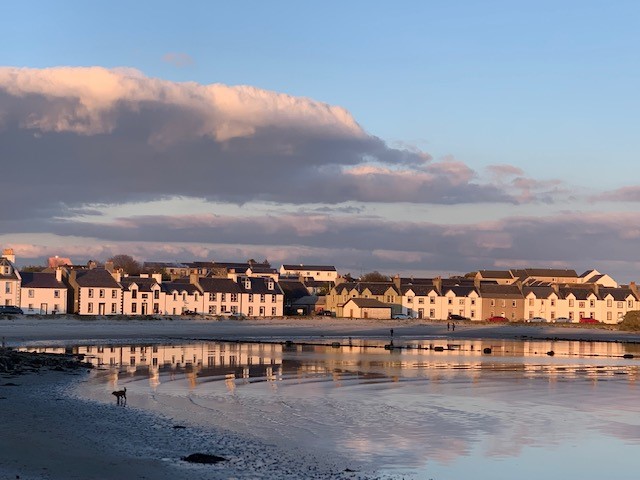
There are small supermarkets at Bowmore and Port Ellen and lots of other shops selling groceries in and around the villages. Islay has petrol stations (some you fill up yourself but at most of them someone will fill your vehicle for you). You don’t have to stock up and bring everything with you! In fact, our local shops would prefer you didn’t, your pennies help keep our village shops and local stores open and we appreciate your custom much more than the big supermarkets do!
What’s the internet connection like?
It’s really good. With so much global business done on Islay with the distilleries we need good connectivity and we have it. You’ll find good broadband speeds and mainly good phone signal BUT there are areas of the island(s) where you lose the phone signal. Embrace it and enjoy the peace and quiet!

What time of year is best to visit?
Islay and Jura are all-year-round destinations. If you’re looking for late-night clubs, multiplex cinemas and entertainment centres, shopping malls, theatres, trains, traffic jams and arena gigs, do what the Ileach’s do, and spend a night or two in Glasgow or Edinburgh before you head to the beauty, tranquility, and incredibleness of the Hebrides!

But…. If you love making memories to last a lifetime, if you relish getting chatting to lovely people over a drink, if you love cosy fires, traditional music, spectacular sunrises and sunsets, fabulous food, quiet time with a book, walks on deserted beaches, incredible scenery, yoga on the beach, wildlife, wild flowers, being a part of history and heritage, and having a sense of inner peace and happiness – then there’s no bad time to come.

Come in the winter for the chance to glimpse the Northern Lights and to see the barnacle geese, to spend evenings in cosy inns beside the fire with a dram in your hand, come in spring for the woodlands carpeted in bluebells, for the daffodils and primroses on the roadsides and the lambs in the fields, when the sky is alive with birdsong and the islands warm up as the days stretch out. Come in summer to see the sea sparkling, to go paddleboarding or kayaking on a still loch, to enjoy lazy beach days and light fires to toast marshmallows or keep the midges away, to spot seals and dolphins on the water and for daylight that never seems to fade. Come in the autumn to hear the deer rutting, to watch flocks of birds leaving or arriving as migration gets underway, spot otters hunting for fish, to enjoy crisp clear days and superb sunsets and sunrises. The distilleries are open all year round (expect closures at Christmas and Hogmanay). There’s no bad time to visit, it all depends what you want..

Let Explore Islay and Jura help you plan your journey, with plenty of inspiration and information. Why not start with our video or read some of the blogs, such as as Five things to do on a trip to Jura or 11 things to do on Islay.
Above all, don’t overthink it, just get here and see what the weather’s doing and where the wind takes you – and be warned, you’ll be planning your next trip before you get back home.